
What is visual activation and how can it help you in life?
It’s not about what you think
Did you ever saw an image and felt deeply moved the moment you laid eyes on it?
This is what I call a visual activation.
Visual activation might sound as something new and exiting, but it has been happening all your life; when you visited a museum, scrolled on Instagram or browsed through a magazine. Question is, were you aware of its effect on you?
Vision is one of the most extensively represented sensory systems in a human. Nearly a third of the cortex is involved in processing what you see. No other sense claims that much territory in the brain.
Researchers have found that people can register an image in as little as 13 milliseconds. Long before your brain can put language to what you’re looking at, your subconscious has already decided how to react to it.
This happens because visual information takes two routes at once. One goes to the visual cortex, where it’s slowly built into something you can name and reason about. The other goes straight to the amygdala, a shortcut that bypasses conscious thought entirely. This second route is fast, old, and doesn’t wait for permission. It’s the same system that once decided, in a fraction of a second, whether a shape in the grass was a predator or a shadow.
Reading works differently. A word has to be decoded into meaning. This is a process that, however fast, takes real cognitive steps: letters into sounds, sounds into words, words into concepts. An image doesn’t ask you to decode anything. It reaches you directly through form and feeling, before interpretation even begins.
This is why an affirmation you repeat in words can leave you exactly where you started, while a single image like a symbol, a painting or a photograph, can shift something in your body before you understand what just happened. Words are processed by the part of the brain that argues, doubts, and negotiates. Images are processed by the part that simply reacts.
Words ask the mind to agree, but images speak to a part of you that was never waiting for permission
This is also why the effect of an image is felt in the body first. You feel a tightening in the chest, a dropping of the shoulders or a breath that suddenly goes deeper. These things happen before you could explain in words what caused them. The body always answers first. The mind catches up later, if it catches up at all.
The right image can give clear direction about a decision. It can induce clarity about a problem you have been dealing with, it can awaken creativity, it can comfort you, or it can help you to anchor in your knowingness the moments life challenges you.
There is another way of moving through life
As a former graphic designer I have always been fascinated about the influence that visuals have on our consciousness. Here I wrote what magic happened when I presented visual identities, for instance.
When I moved from graphic design to art, this fascination kept entertaining me. It made me explore how I could use art as a gateway to influence peoples state of being in a positive empowering way. This brought me to developing visual breath work and meditative videos.
In these videos you can follow the movement of organic shapes with the rhythm of your breath, what gets you in a relaxing meditative state within a minute.
In a society where stress and burnouts spread like the plague, I learned that although there are many breath work modalities available, a visual one is far more easy to practice than spoken ones.
Try it here yourself:
When I created these videos I thought very naively that they would be a worldwide hit. I tried to get them into waiting rooms at healthcare facilities and other places people endure high levels of stress, but it turned out that almost nobody who was in charge there, saw the value of it. This was when I discovered that most people are simply not aware of the power of visuals.
That’s no wonder. In Western society we are trained to move through life primarily through language and a cognitive way of being. We think in sentences and love to be persuaded by arguments. We feel most at home with words. When we look for transformation in our life, we read books, follow a course or visit a therapist to talk to.
But there is another way of moving through life.
There is a rise of people who feel first and think second. People for whom certain shapes, colors, pictures or symbols land somewhere words never quite reach. A place that is closer to the (emotional) body than the mind.
If you’re one of those people, you probably already know it. You’ve felt a piece of art do something to you that no explanation could recreate. You’ve sensed quietly that there’s more moving beneath the surface of things than what’s being expressed out loud. I bet you also feel music, scent or tactile experiences in a deep way, simply because you are more wired to be a feeler.
Some people have always known this about themselves and these last years a great deal of people are discovering that they are far more of a feeler than they ever noticed. We live in an age of remembering and if I am bold, I think that humans were never meant to be cognitive beings at all. This is nurture, but not nature, shaped by ages of hunger for economic expansion. At this moment in time we are getting conscious enough to notice this isn’t working any longer though. It leaves people feeling disconnected from nature and therefore themselves.
Humans were never meant to be cognitive beings at all
So although there is a lot to be said about the rising of AI, one thing it beautifully facilitates is more space for feeling and using your intuition. Because if the machines do all the cognitive work, the value is in the intuitive processes no computer could ever replicate.
Part of the formula
If you are curious about living in a more intuitive way too, it’s worth exploring your relationship with visuals more consciously. What kind of shapes make you feel happy? What symbol makes you feel powerful? What color makes you feel calm? Is there a picture that sparks something deep in you when it comes to your talent? And, also very important, what kind of images drain you?
I see working with visuals as part of a holistic approach for well-being and transformation, where different modalities work complimentary. If I didn’t believe in the use of words too, I wouldn’t be writing this article ;-).
I do however strongly believe that visuals should get a larger share in transformational processes. Visual art is so intertwined with being human, so for me it’s obvious that when we desire change, art is part of the formula. One single image can be enough to be the last step to make you experience a shift inside that you were exploring anyway. If your system wasn’t ready for it, the image alone would not induce it.
Making this shift happen is the thread running through everything I make: an art piece made for someone’s own becoming, a brand identity, a wall design or a moving meditation. All different forms that have the same intention underneath: helping to awake something in the person who engages with it.
The ancients knew this power of visuals for thousands of years. Think about the Yin Yang symbol or the Flower of Life. Those symbols are outliving language models, and still attract millions of people today across the planet, because these symbols are energetically loaded with a specific kind of frequency that people resonate with very deeply.
Our connection with visuals is encrypted into our DNA and I believe that after many years we are just starting to dip our toes again in how the right use of visuals can contribute to our lives.
Topics like sacred geometry and cymatics (sounds translated in visible images) are gaining popularity rapidly and I am happy to see that modern day research keeps confirming what our elders have known for ages: visuals aren’t decorations, they are activations.
Oh, how I love this renaissance 🙂
Curious to explore if my visual activations shift something in you? Jump over to my homepage. There you can start a short quest where you will experience this within a minute.
Continue reading
 https://coraverhagen.com/wp-content/uploads/2025/10/Cora-Verhagen-surface-design-05.jpg
889
500
Cora Verhagen
https://coraverhagen.com/wp-content/uploads/2025/07/Logo-Cora-Verhagen-2025.png
Cora Verhagen2026-08-20 13:37:162026-08-22 11:44:06What is visual activation and how can it help you in life?
https://coraverhagen.com/wp-content/uploads/2025/10/Cora-Verhagen-surface-design-05.jpg
889
500
Cora Verhagen
https://coraverhagen.com/wp-content/uploads/2025/07/Logo-Cora-Verhagen-2025.png
Cora Verhagen2026-08-20 13:37:162026-08-22 11:44:06What is visual activation and how can it help you in life? Cora Verhagen
https://coraverhagen.com/wp-content/uploads/2025/10/schaduwzijde.jpg
1000
625
Cora Verhagen
https://coraverhagen.com/wp-content/uploads/2025/07/Logo-Cora-Verhagen-2025.png
Cora Verhagen2025-10-28 12:33:292025-12-02 22:08:36The shadow side of meditation
Cora Verhagen
https://coraverhagen.com/wp-content/uploads/2025/10/schaduwzijde.jpg
1000
625
Cora Verhagen
https://coraverhagen.com/wp-content/uploads/2025/07/Logo-Cora-Verhagen-2025.png
Cora Verhagen2025-10-28 12:33:292025-12-02 22:08:36The shadow side of meditation Cora Verhagen
https://coraverhagen.com/wp-content/uploads/2025/10/Sri-Yantra-Cora-Verhagen-01.jpg
1350
1080
Cora Verhagen
https://coraverhagen.com/wp-content/uploads/2025/07/Logo-Cora-Verhagen-2025.png
Cora Verhagen2025-10-27 13:46:192025-10-27 13:46:36Symbols as activation
Cora Verhagen
https://coraverhagen.com/wp-content/uploads/2025/10/Sri-Yantra-Cora-Verhagen-01.jpg
1350
1080
Cora Verhagen
https://coraverhagen.com/wp-content/uploads/2025/07/Logo-Cora-Verhagen-2025.png
Cora Verhagen2025-10-27 13:46:192025-10-27 13:46:36Symbols as activation Cora Verhagen
https://coraverhagen.com/wp-content/uploads/2025/09/Birthing-01.jpg
1848
1300
Cora Verhagen
https://coraverhagen.com/wp-content/uploads/2025/07/Logo-Cora-Verhagen-2025.png
Cora Verhagen2025-09-19 12:28:452025-09-19 12:29:41Calling wise women forward
Cora Verhagen
https://coraverhagen.com/wp-content/uploads/2025/09/Birthing-01.jpg
1848
1300
Cora Verhagen
https://coraverhagen.com/wp-content/uploads/2025/07/Logo-Cora-Verhagen-2025.png
Cora Verhagen2025-09-19 12:28:452025-09-19 12:29:41Calling wise women forward Cora Verhagen
https://coraverhagen.com/wp-content/uploads/2025/09/1000014876_mirror6-scaled.jpg
2560
1920
Cora Verhagen
https://coraverhagen.com/wp-content/uploads/2025/07/Logo-Cora-Verhagen-2025.png
Cora Verhagen2025-09-08 15:36:302025-09-08 15:36:48Love it or hate it
Cora Verhagen
https://coraverhagen.com/wp-content/uploads/2025/09/1000014876_mirror6-scaled.jpg
2560
1920
Cora Verhagen
https://coraverhagen.com/wp-content/uploads/2025/07/Logo-Cora-Verhagen-2025.png
Cora Verhagen2025-09-08 15:36:302025-09-08 15:36:48Love it or hate it https://coraverhagen.com/wp-content/uploads/2025/05/Cora-Verhagen-Meditation-Art-6.jpg
394
700
Cora Verhagen
https://coraverhagen.com/wp-content/uploads/2025/07/Logo-Cora-Verhagen-2025.png
Cora Verhagen2025-05-14 07:27:312025-05-14 07:35:23Are you tapping into this energy source?
https://coraverhagen.com/wp-content/uploads/2025/05/Cora-Verhagen-Meditation-Art-6.jpg
394
700
Cora Verhagen
https://coraverhagen.com/wp-content/uploads/2025/07/Logo-Cora-Verhagen-2025.png
Cora Verhagen2025-05-14 07:27:312025-05-14 07:35:23Are you tapping into this energy source? Cora Verhagen
https://coraverhagen.com/wp-content/uploads/2024/05/Cora-Verhagen-Art-Beethoven-01.jpg
559
1000
Cora Verhagen
https://coraverhagen.com/wp-content/uploads/2025/07/Logo-Cora-Verhagen-2025.png
Cora Verhagen2024-05-15 10:40:462024-05-15 10:51:07Path unfolding music meditation
Cora Verhagen
https://coraverhagen.com/wp-content/uploads/2024/05/Cora-Verhagen-Art-Beethoven-01.jpg
559
1000
Cora Verhagen
https://coraverhagen.com/wp-content/uploads/2025/07/Logo-Cora-Verhagen-2025.png
Cora Verhagen2024-05-15 10:40:462024-05-15 10:51:07Path unfolding music meditation Cora Verhagen
https://coraverhagen.com/wp-content/uploads/2024/04/Cora-Verhagen-Art-rise.jpg
395
395
Cora Verhagen
https://coraverhagen.com/wp-content/uploads/2025/07/Logo-Cora-Verhagen-2025.png
Cora Verhagen2024-04-18 12:18:462024-04-18 12:21:15Rise
Cora Verhagen
https://coraverhagen.com/wp-content/uploads/2024/04/Cora-Verhagen-Art-rise.jpg
395
395
Cora Verhagen
https://coraverhagen.com/wp-content/uploads/2025/07/Logo-Cora-Verhagen-2025.png
Cora Verhagen2024-04-18 12:18:462024-04-18 12:21:15Rise Cora Verhagen
https://coraverhagen.com/wp-content/uploads/2024/03/Cora-Verhagen-Art-ripple.jpg
500
500
Cora Verhagen
https://coraverhagen.com/wp-content/uploads/2025/07/Logo-Cora-Verhagen-2025.png
Cora Verhagen2024-03-26 10:24:502024-03-26 10:26:02The ripple
Cora Verhagen
https://coraverhagen.com/wp-content/uploads/2024/03/Cora-Verhagen-Art-ripple.jpg
500
500
Cora Verhagen
https://coraverhagen.com/wp-content/uploads/2025/07/Logo-Cora-Verhagen-2025.png
Cora Verhagen2024-03-26 10:24:502024-03-26 10:26:02The ripple Cora Verhagen
https://coraverhagen.com/wp-content/uploads/2024/03/Cora-Verhagen-Art-raise-your-frequency.jpg
500
500
Cora Verhagen
https://coraverhagen.com/wp-content/uploads/2025/07/Logo-Cora-Verhagen-2025.png
Cora Verhagen2024-03-13 12:57:512024-03-26 10:26:27Raise your frequency?
Cora Verhagen
https://coraverhagen.com/wp-content/uploads/2024/03/Cora-Verhagen-Art-raise-your-frequency.jpg
500
500
Cora Verhagen
https://coraverhagen.com/wp-content/uploads/2025/07/Logo-Cora-Verhagen-2025.png
Cora Verhagen2024-03-13 12:57:512024-03-26 10:26:27Raise your frequency? Cora Verhagen
https://coraverhagen.com/wp-content/uploads/2024/03/Cora-Verhagen-Art-space.jpg
497
500
Cora Verhagen
https://coraverhagen.com/wp-content/uploads/2025/07/Logo-Cora-Verhagen-2025.png
Cora Verhagen2024-03-13 12:53:352024-03-26 10:26:48Space we crave
Cora Verhagen
https://coraverhagen.com/wp-content/uploads/2024/03/Cora-Verhagen-Art-space.jpg
497
500
Cora Verhagen
https://coraverhagen.com/wp-content/uploads/2025/07/Logo-Cora-Verhagen-2025.png
Cora Verhagen2024-03-13 12:53:352024-03-26 10:26:48Space we crave Cora Verhagen
https://coraverhagen.com/wp-content/uploads/2024/02/Cora-Verhagen-Art-Birthing-new-paradigms.jpg
500
500
Cora Verhagen
https://coraverhagen.com/wp-content/uploads/2025/07/Logo-Cora-Verhagen-2025.png
Cora Verhagen2024-02-29 13:30:312024-02-29 13:30:32Birthing new paradigms
Cora Verhagen
https://coraverhagen.com/wp-content/uploads/2024/02/Cora-Verhagen-Art-Birthing-new-paradigms.jpg
500
500
Cora Verhagen
https://coraverhagen.com/wp-content/uploads/2025/07/Logo-Cora-Verhagen-2025.png
Cora Verhagen2024-02-29 13:30:312024-02-29 13:30:32Birthing new paradigms Cora Verhagen
https://coraverhagen.com/wp-content/uploads/2024/02/Cora-Verhagen-Art-darkness-in-the-world.jpg
600
600
Cora Verhagen
https://coraverhagen.com/wp-content/uploads/2025/07/Logo-Cora-Verhagen-2025.png
Cora Verhagen2024-02-29 10:36:262024-02-29 10:49:12The darkness of the world
Cora Verhagen
https://coraverhagen.com/wp-content/uploads/2024/02/Cora-Verhagen-Art-darkness-in-the-world.jpg
600
600
Cora Verhagen
https://coraverhagen.com/wp-content/uploads/2025/07/Logo-Cora-Verhagen-2025.png
Cora Verhagen2024-02-29 10:36:262024-02-29 10:49:12The darkness of the world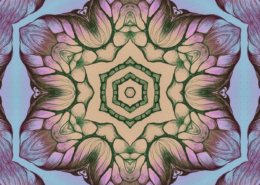 Cora Verhagen
https://coraverhagen.com/wp-content/uploads/2024/02/Cora-Verhagen-Art-child-in-us.jpg
700
700
Cora Verhagen
https://coraverhagen.com/wp-content/uploads/2025/07/Logo-Cora-Verhagen-2025.png
Cora Verhagen2024-02-29 10:04:522024-02-29 10:21:22The child in you
Cora Verhagen
https://coraverhagen.com/wp-content/uploads/2024/02/Cora-Verhagen-Art-child-in-us.jpg
700
700
Cora Verhagen
https://coraverhagen.com/wp-content/uploads/2025/07/Logo-Cora-Verhagen-2025.png
Cora Verhagen2024-02-29 10:04:522024-02-29 10:21:22The child in you
Leave a Reply
Want to join the discussion?Feel free to contribute!